





From one rehearsal-room preview brief to posts, images, and a short vi…
A launch slot has opened for the rehearsal-room preview, leaving the local theater with little production time. A decorative idea without a clear path for occasional theatergoers to book the preview will waste the small team's time. The editorial angle is mobile-first design, with a simple side-by-side choice providing the opening tension.
The center of the one-page brief is simple: help occasional theatergoers understand the rehearsal-room preview and decide whether to book the preview. Voice guidance says playful and candid, while the facts column holds timing, price, eligibility, fulfilment, and contact details. Guarantees and implied affiliations stay out. The sheet records capitalization, prohibited language, claim sensitivity, reference rights, a 4:5 frame, phone-safe areas, a 30-second runtime, delivery formats, deadline, and reviewers. Confirmed facts, open questions, and illustrative examples occupy separate columns.
The writer requests several routes based only on the source page, leaving final copy until one route is approved. Four routes expose a simple side-by-side choice, show a three-step method, compare responsible choices, or document one decision at the local theater. Selection follows the mobile-first design goal and rejects any route that needs a fabricated customer result.
The approved route expands into one explanation, a caption, a two-line hook, a five-card carousel, a voiceover, and three headline options. The carousel names the problem for occasional theatergoers, gathers inputs, shows a hypothetical choice, runs a check, and finally asks people to book the preview. A missing price, date, or eligibility detail becomes a question for the owner, never a confident sentence invented by the model. The copy earns space by helping the reader act, judge, compare, or avoid a known failure.
Specific model failures in this case include invented texture, doubled lines, and oversharpening. Other risks include continuity errors, offensive ambiguity, accidental imitation, warped lettering, strange anatomy, and fabricated case-study claims. An editor catches them by tracing claims to the source sheet, enlarging every image, and watching the final cut cold with sound off and then on.
For the image route, the single job is to make the deadline legible without generated type. Prompt fields cover the rehearsal-room preview, spatial relationship, dominant focus, plain setting, the palette terracotta, sand, and dark brown, believable side light, and 4:5 output. No essential detail enters the mobile crop or caption-safe margins; real copy is added later as an editable layer. For mockup purposes, 'Small Steps' and 'Built for Tuesday' are sample names added by a designer, with no claim of registration or approval.
The schedule also reserves enough time for correction, source checks, and another careful final reading before any finished asset is queued. For the rehearsal-room preview, the producer first makes one complete chain: approved message, adaptable composition, connected captions, and a short demonstration. Variants wait until the owner approves the chain; otherwise one unsupported assumption can spread through many exports and consume the review budget. A tracking row lists each asset, its purpose for occasional theatergoers, source fact, format, status, next reviewer, and relationship to the action to book the preview. Measurement uses a preselected behavioral signal rather than a vague impression; the owner records the publishing window and reach before interpreting inquiries, saves, or replies. The review can guide the next mobile-first design cycle while remaining explicit about uncertainty, sample limits, and other explanations for the observed response. Version control is deliberately plain: drafts receive descriptive names, approval is written down, and obsolete exports move out of the active folder so nobody publishes an attractive but rejected file. The final preflight opens every destination file rather than trusting the master layout, since compression, crop behavior, caption placement, and link treatment can change after export.
Each channel receives a fresh edit of the approved argument rather than a resized duplicate. A text-led post keeps the reasoning behind the rehearsal-room preview; an image-led post opens with the comparison and adds context in its caption; the carousel gives one decision to each card. Vertical video presents a simple side-by-side choice immediately and remains phone-safe. Long-form keeps the full comparison, while a community edit requests feedback before people book the preview.
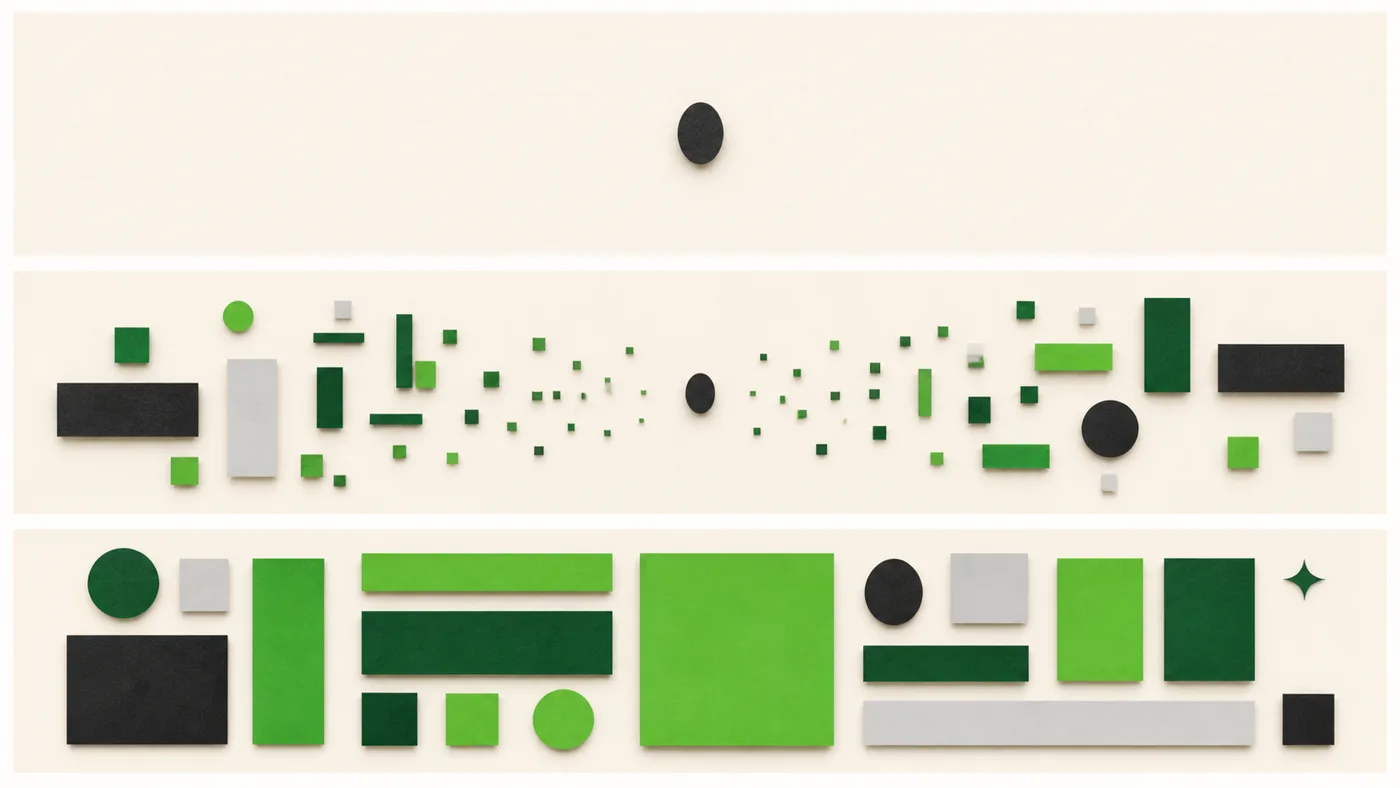
A vertical script capped at 30 seconds shows one decision, from loose notes about the rehearsal-room preview to a reviewed asset. For three seconds, voiceover names a simple side-by-side choice, screen copy stays under five words, and the camera shows real planning notes after private details are removed. The middle assigns four seconds to inputs, six to the example, and five to a visible check; closing seconds carry the confirmed next step. The shot sheet separates voiceover, on-screen text, direction, duration, source or assumption, and review note into six columns.
Human approval starts by matching every claim to confirmed inputs, checking current external rules against reliable sources, recording the access date, and testing audience fit and voice. Artwork is inspected at 100 percent and in place for text, symbols, hands, repeated objects, edges, light, interface plausibility, unintended marks, phone cropping, contrast, and reading order. A cold reviewer watches for changing objects, warped text, caption errors, unsafe margins, mispronunciation, uneven pace or audio, weak boundary frames, and lost meaning without sound. Sign-off follows when post, image, and higgfield clip agree on evidence, keep the playful and candid manner, and direct occasional theatergoers honestly toward the choice to book the preview.
Handoff keeps approved inputs, copy route, working text, layered design, captions, shot table, source notes, and checked exports under distinct names. That record lets a solo operator revise one fact without regenerating every asset or guessing what was approved. The finished set stays modest: one approved idea, channel-specific expressions, and a documented human decision about the rehearsal-room preview.
The producer records the search wording, then translates it into the real task: to prepare a small or soft source image for several placements. A draft advances only when it delivers natural edges at the required size. It prevents a broad technology discussion from replacing the work needed for the rehearsal-room preview.
댓글목록
등록된 댓글이 없습니다.